When it comes to frying turkey, having the right tools is key to achieving that perfectly crispy skin and juicy meat. Let's explore some essential tools that will make your frying experience not only easier but also safer and more enjoyable.
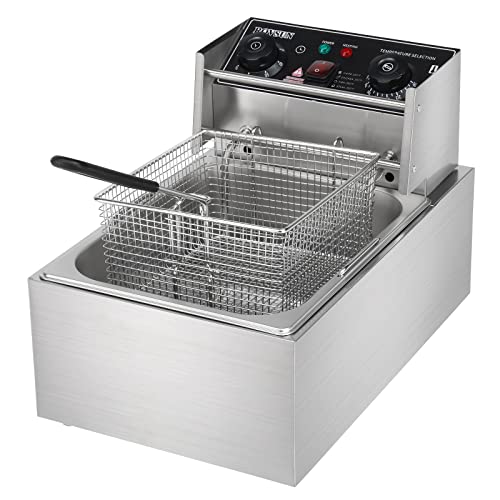
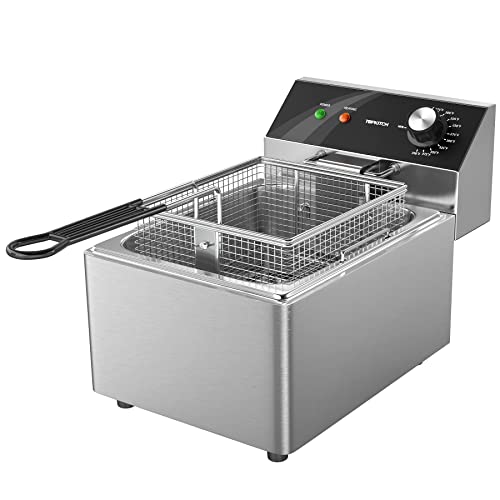
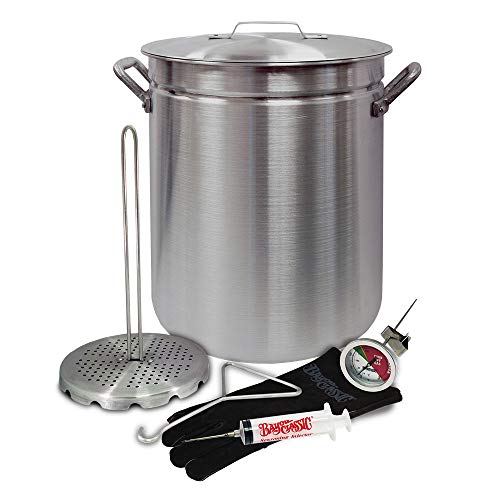
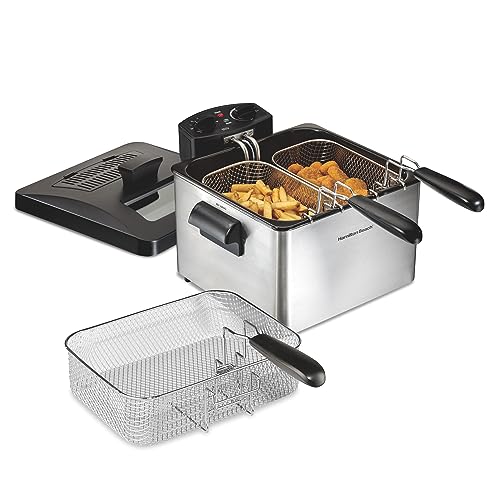
The first must-have tool is a high-quality turkey fryer. These come in various designs, including outdoor propane models and electric fryers. Propane fryers are popular for their ability to reach high temperatures quickly, while electric fryers offer convenience and a safer indoor option. Make sure to pick a fryer that meets safety standards and has a reliable temperature control feature.
Another essential tool is a sturdy pair of heat-resistant gloves. Frying turkey involves handling hot oil, so protecting your hands is crucial. Look for gloves that can withstand high temperatures and provide a good grip. This way, you can confidently maneuver the turkey without the risk of burns or accidental slips.
Don't forget a long, sturdy fork or a hook for lowering and removing the turkey from the hot oil. This tool will help you safely submerge the turkey and lift it when it’s done frying. Additionally, a meat thermometer is critical for ensuring that your turkey is cooked to perfection. Aim for an internal temperature of 165°F to guarantee that your turkey is both delicious and safe to eat.
Finally, consider investing in a splash guard and a fire extinguisher. A splash guard will help contain any hot oil that may sputter out during the frying process, while a fire extinguisher rated for grease fires is a non-negotiable safety measure. Having these tools on hand will give you peace of mind and make your frying experience smoother.
Choosing the Right Turkey for Frying
When it comes to frying a turkey, choosing the right bird is essential for achieving that perfectly crispy skin and juicy meat. Start by looking for a turkey that weighs between 10 to 14 pounds. This size is often ideal for frying because it fits well in most fryer baskets and cooks evenly. If you go for a smaller bird, you might risk overcooking it, and a larger turkey can take too long to cook, leading to uneven results.
Next, consider whether you want a fresh or frozen turkey. Fresh turkeys tend to have a better texture and flavor, as they haven’t been stored for long periods. However, if you opt for a frozen turkey, make sure to allow ample time for it to thaw before frying. A properly thawed turkey will cook evenly without risking any hazardous situations, such as introducing moisture into the hot oil.
Additionally, pay attention to the turkey's type. Standard, self-basting, and organic options are available. While self-basting turkeys can be flavorful, they may contain added oils or seasonings that could affect the frying process. If you prefer a more hands-on approach and control over the seasoning, consider choosing a plain, organic turkey.
Finally, check for any additional features like a pop-up timer or pre-seasoning. A pop-up timer can sometimes be unreliable, so rely on a meat thermometer to ensure your turkey reaches the safe cooking temperature of 165°F. With these tips, choosing the right turkey will set you on the path to frying success!
Step-by-Step Frying Process Explained
Frying a turkey might seem intimidating, but by breaking it down into simple steps, you can master this delicious cooking technique. The first thing you need to do is gather all your necessary ingredients and equipment. You'll need a thawed turkey (10-14 pounds works best), a large pot with a lid, a propane burner, and a special frying thermometer to monitor your oil temperature. Make sure you also have a safe outdoor space to set up your fryer away from any flammable materials.
Once you have everything ready, it's crucial to prepare your turkey. Start by removing any giblets or stuffings inside the turkey. Pat the turkey dry with paper towels to remove excess moisture; this will prevent dangerous oil splatter during frying. You can also season your turkey with a dry rub or marinade, allowing the flavors to seep in while it comes to room temperature.
The next step is to heat the oil. Choose a high smoke point oil like peanut or canola oil and fill your pot about 3-5 inches deep. Using your thermometer, heat the oil to around 350°F (175°C). Be patient, as it might take some time for the oil to reach the right temperature. You can use the “water test” by cautiously lowering a little bit of water into the oil; if it sizzles, the oil is hot enough. Always exercise caution and never leave the hot oil unattended.
Once the oil is ready, it's time to fry the turkey. Carefully lower the turkey into the pot using a sturdy hook or basket. Make sure to do this slowly to avoid any overflow of hot oil. Fry the turkey for about 3-4 minutes per pound. For instance, a 12-pound turkey will take approximately 36-48 minutes. Use your thermometer to check that the internal temperature reaches at least 165°F (75°C) for safe consumption.
After frying, carefully lift the turkey out of the oil and place it on a wire rack or a platter lined with paper towels to drain excess oil. Allow it to rest for about 20-30 minutes before carving. This resting time lets the juices redistribute, resulting in a moist and flavorful turkey. Now you’re set to impress your family and friends with your perfectly fried turkey!
Safety Tips for Frying Turkey at Home
Frying a turkey can deliver delicious results, but it's essential to prioritize safety while you're at it. Here are some tips to ensure a safe and enjoyable frying experience at home.
First and foremost, always choose the right outdoor location for your turkey fryer. Set it up on a flat, stable surface away from your home, garage, or any flammable structures. Ideally, the frying should take place at least 10 feet away from buildings and any overhanging branches. This will reduce the risk of fire hazards and keeps the cooking area safe.
Before you even heat the oil, take the time to read the manufacturer's instructions. Make sure you're using the right type of oil and that your fryer is in good working condition. Additionally, by filling the fryer with water before adding the turkey, you can determine the correct oil level. This will prevent any overflow or dangerous splashing when the turkey is lowered into the hot oil.
When it comes time to fry, always wear protective gear, including heat-resistant gloves and safety goggles. It's also important to have a fire extinguisher nearby—ideally one rated for grease fires (Class K). Never leave the fryer unattended, and keep children and pets at a safe distance from the cooking area. If the oil begins to smoke, it’s a sign that it's too hot; turn off the burner immediately and let it cool down.
Finally, after you’ve finished frying, carefully dispose of the used oil. Pour it into a sealed container and take it to a recycling center if possible. Never pour cooking oil down the drain or in the trash, as it can cause plumbing issues or create a fire hazard. By following these simple safety tips, you can enjoy a wonderful turkey frying experience with peace of mind.