The practice of frying turkeys can be traced back to different culinary traditions, primarily in the southern United States. This method gained popularity due to its ability to produce a juicy and flavorful bird in a shorter amount of time compared to traditional roasting. Early recipes of fried turkey likely arose from the need for a quicker cooking method, especially during large gatherings and festive seasons, making it highly appealing for family celebrations like Thanksgiving.
The first recorded instances of frying whole turkeys date back to the 1930s, primarily among Cajun chefs in Louisiana. They utilized cast iron equipment to achieve a crispy exterior while maintaining moist meat inside. This method allowed for the infusion of spices and flavorings, showcasing the unique culinary heritage of the region. Furthermore, using peanut oil for frying became a popular choice due to its high smoke point, ensuring a safe and efficient cooking process.
As word spread about the delicious results of frying turkeys, more people began to adopt this method, leading to the invention of specialized turkey fryers. In the late 20th century, these fryers became more accessible to home cooks, evolving from simple outdoor setups to sophisticated electric models. This advancement helped to demystify turkey frying, making it safer and easier for the average person to enjoy this delectable treat without the risks associated with large pots of hot oil.
Today, turkey frying has become embedded in the culture of outdoor cooking, with many families incorporating it into their holiday traditions. The methods and equipment used have advanced significantly, but the essence remains the same: a flavorful, crispy turkey that brings people together around the dinner table, celebrating both culinary heritage and modern innovation.
Advancements in Fryer Technology
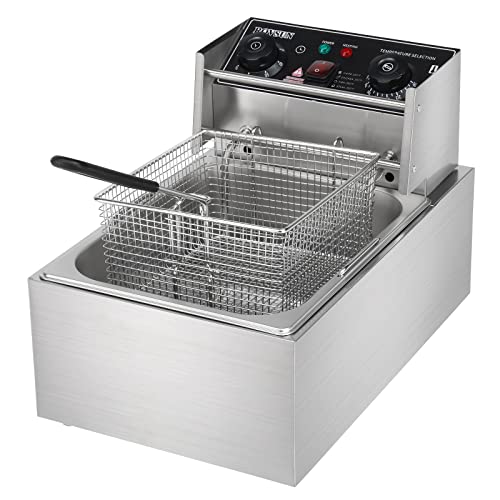
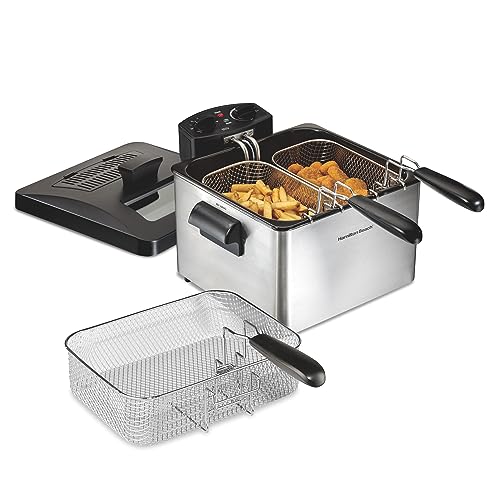
One of the most significant advancements is the introduction of electric fryers. These appliances eliminate the need for large quantities of oil, making cooking cleaner and more user-friendly. Electric fryers often include adjustable temperature settings and timers, which help users achieve the perfect golden-brown turkey without the guesswork. This technology not only streamlines the cooking process but also improves safety by reducing the risk of oil spills and flare-ups.
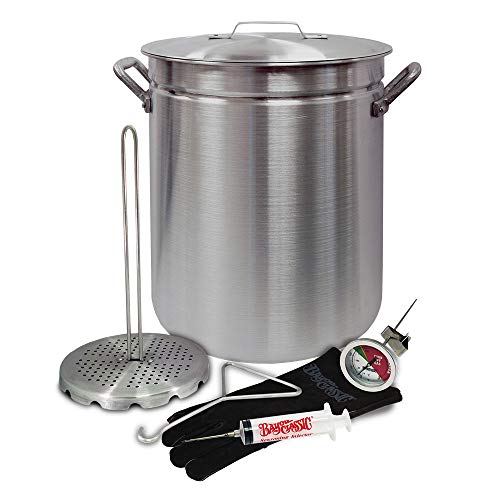
In addition to electric models, propane turkey fryers have also seen significant improvements. Many contemporary propane fryers come with added safety features, such as automatic shut-off valves and built-in thermometers. These advancements allow cooks to monitor the oil temperature precisely, preventing overheating and ensuring that the turkey is cooked evenly. Moreover, the design of these fryers has become more compact and portable, making it easier to enjoy fried turkey at backyard barbecues or holiday gatherings.
Another notable innovation is the air fryer, which circulates hot air for a crispy finish without submerging the turkey in oil. This technology has gained popularity among health-conscious consumers who still want to enjoy the rich flavors of fried turkey without excessive fat. Air fryers not only encourage healthier eating habits but are also quick and easy to use, appealing to both novice cooks and seasoned chefs alike.
Safety Features Over the Years
The history of turkey fryers is not just about cooking advancements; it also involves a significant evolution in safety features. Early models often lacked the safety mechanisms we take for granted today, leading to numerous accidents and injuries. Recognizing these hazards, manufacturers took significant steps to improve the safety of these popular cooking devices.
One of the earliest safety innovations included the introduction of thermostats. These devices allowed fryers to maintain a consistent cooking temperature, reducing the risk of overheating oil and causing fires. Additionally, many fryers began to feature automatic shut-off systems. If the oil reached dangerous levels, the fryer would power down, providing an extra layer of protection for users.
Another notable advancement came with the design modifications of turkey fryers. Models began to incorporate sturdy bases and wider footprints to enhance stability and reduce the likelihood of tipping over. Alongside this, manufacturers started using materials that could adequately withstand high temperatures without warping or melting, further improving user safety.
In more recent years, advancements such as flame guards and safety locks have become standard in the design of turkey fryers. These features prevent accidental ignition of oil and ensure that the fryer remains secure during operation. As turkey fryers continue to evolve, safety remains a key focus, helping to ensure that home cooks can enjoy delicious fried turkey with peace of mind.
Popular Cooking Techniques Today
Cooking techniques have evolved significantly over the years, and today, they play a crucial role in how we prepare our food. When it comes to turkey frying, several methods have become increasingly popular. These techniques not only enhance the flavors of the turkey but also contribute to unique textures and cooking experiences.
One of the most popular techniques today is deep frying with oil. This method produces a wonderfully crispy skin while keeping the meat juicy and tender. Many people love the rapid cooking time associated with deep frying, which can cut the overall cooking process in half compared to traditional roasting. The flavorful results make it a favorite for holiday gatherings and special occasions.
Another technique gaining traction among home cooks is air frying. This method uses hot air circulation to mimic the effects of deep frying but with significantly less oil. As health-conscious cooking becomes more prevalent, air frying appeals to those who want a crispy turkey without the excessive calories. This technique is often praised for its convenience and ease of use, making it accessible for novice cooks.
Furthermore, smoking turkey has carved out a niche for itself in the realm of popular cooking techniques. This method infuses the bird with rich, smoky flavors that many food enthusiasts crave. Smokers can impart a depth of taste that sets smoked turkey apart from its fried or roasted counterparts. Utilizing wood chips like hickory or applewood adds unique flavors that can enhance the overall dining experience.